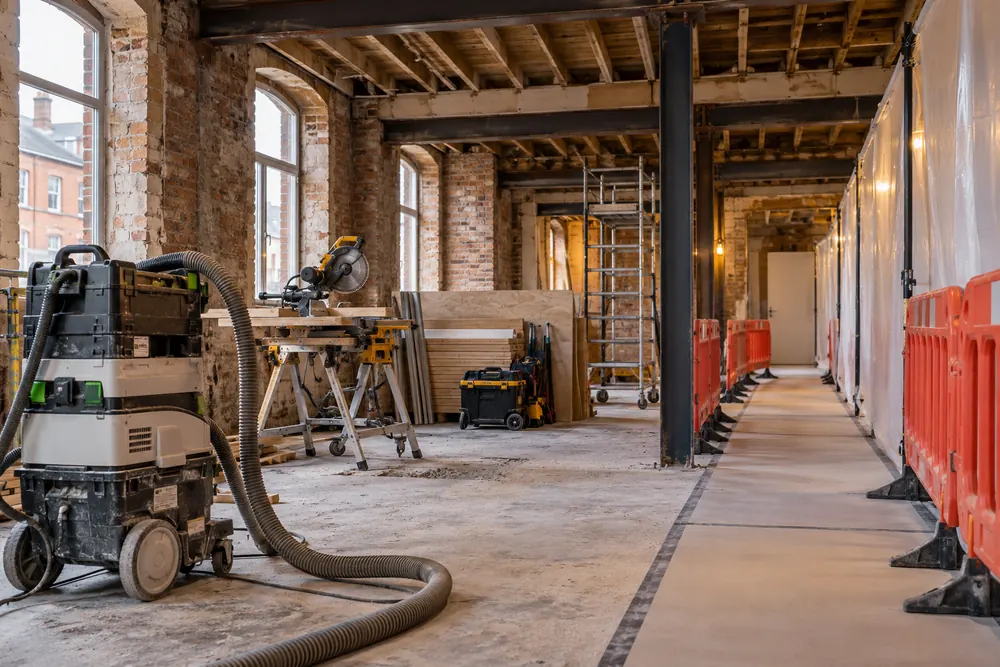
What The Service Involves
Construction health and safety support helps contractors organise and monitor the activities they control. It can include a review of site arrangements, task planning, inspection findings and the way safety information reaches supervisors and workers.
The useful starting point is the actual work sequence. Deliveries, access equipment, temporary works, dust-producing tasks and interactions between trades can change as the project develops. A document prepared before the site opens needs to remain connected to what is happening on the ground.
We look at how risk assessments and method statements translate into instructions. Workers should understand the important precautions and have the equipment, time and supervision needed to follow them. A signed briefing sheet alone cannot show whether the method is practical or being used.
When To Ask For Support
Ask for support before mobilising unfamiliar work, when several trades will share a restricted area or when an occupied commercial building will remain in use. Refurbishment can involve incomplete information about the existing structure and services, which needs attention before intrusive work starts.
Site inspections may also be useful when management needs a fresh view of recurring issues. The scope should specify the activities and areas covered, access arrangements and the route for reporting urgent concerns to the person controlling the work.
Relevant UK Duties And Guidance
The Construction (Design and Management) Regulations 2015 require contractors to plan, manage and monitor the construction work under their control. A principal contractor coordinates the construction phase where more than one contractor is involved.
These project duties sit alongside the wider duties in the Health and Safety at Work etc. Act 1974. A consultant's visit does not replace the contractor's supervision or the checks required for particular equipment and operations. The need for further specialist advice should be identified rather than hidden within a general site report.
What We Look At
Work sequencing should avoid exposing one trade to another trade's hazards. We examine how site management handles changing exclusion zones, deliveries, public interfaces and access to shared areas. An arrangement that worked during structural work may no longer suit the fit-out stage.
Occupied premises need communication between project management and the building's responsible managers. Think about delivery routes, emergency access, noisy or dusty work and the handover of areas back into use. Changes should be briefed before the work starts, with a clear point of contact when conditions differ from the plan.
How The Work Progresses
First, describe the activities, location and purpose of the enquiry. We agree the boundaries of the work and identify documents, access arrangements and people needed for a useful review.
Next, the agreed evidence is examined and any gaps are discussed with the responsible manager. Findings should separate urgent control issues from planned improvements, with assumptions and limitations stated clearly.
Finally, you receive the agreed output and decide who will carry out each action. Review the arrangements when conditions change and check that the controls are understood by the people doing the work.
What You Receive
An agreed site review or planning brief, prioritised findings and practical actions for the responsible project managers.
What Affects The Cost
Project duration, visit frequency, travel and access constraints, work complexity and reporting needs influence the scope. Make clear whether document reviews, meetings and follow-up visits are included.
Questions About This Service
Can A Site Visit Replace Daily Supervision?
A construction safety visit cannot replace daily supervision by the contractor or principal contractor. It samples conditions and arrangements during the visit and can identify improvements. Site management still needs to coordinate work, respond to changes and check that agreed precautions are used between visits, including when new trades or activities arrive.
What Should We Prepare For A Site Visit?
For a health and safety site visit, gather relevant assessments, your policy, training records, recent incident information and outstanding actions. Arrange access to the activities being reviewed and someone who can explain how they operate. Identify shift or security restrictions beforehand, and tell us about hazards or protective equipment requirements that affect access.
For the wider consultancy service, return to health and safety consultants Manchester.